
Your Material Cost Is Fixed the Moment You Cut - Make Every Cut Count
In door manufacturing, material represents your single largest variable cost. What you lose to suboptimal nesting, unplanned offcuts, and BOM variance goes directly off your bottom line - and in a competitive market, you can't price your way out of waste. Seradex Material Yield Optimization connects your nesting engine, cut-lists, and BOM data to your live inventory - ensuring every sheet of hardwood plywood, MDF, LVL, or composite is used at maximum yield before it reaches the panel saw.
ROI Snapshot — What Yield Optimization Delivers
Better nesting and cut-list discipline directly attacks scrap and premium buys: organizations routinely report meaningful scrap reduction (often toward the high teens percent range), more usable yield from the same panel inventory, fewer panic material purchases, and forecasts that track how species and grades actually consume on the floor.
- Scrap and offcuts: measurable reduction when nesting and reservations align with live jobs.
- Buying behavior: fewer emergency POs when yield data informs planning.
- Forecast quality: consumption history replaces guess-based material plans.
Key Features Built for Door & Millwork Material Efficiency
Automated Nesting & Cut Optimization
Seradex integrates with your nesting engine to sequence cut-lists across multiple jobs, batching similar panel sizes and species to achieve maximum yield before a single cut is made. Nesting is recalculated as new jobs enter the queue - dynamically, not statically.
BOM-Based Material Allowance Tracking
Every door configuration in Seradex carries a BOM-defined material allowance. Actual consumption is measured against that allowance job by job - exposing yield variances by species, thickness, and door type that you can act on with your nesting and BOM teams.
Material Cost Variance Reporting
Compare BOM-expected material costs against actual consumption on every job. Persistent variances by door type or material indicate nesting inefficiency, BOM errors, or process issues - each of which Seradex helps you identify and correct.
Real-Time Material Consumption Recording
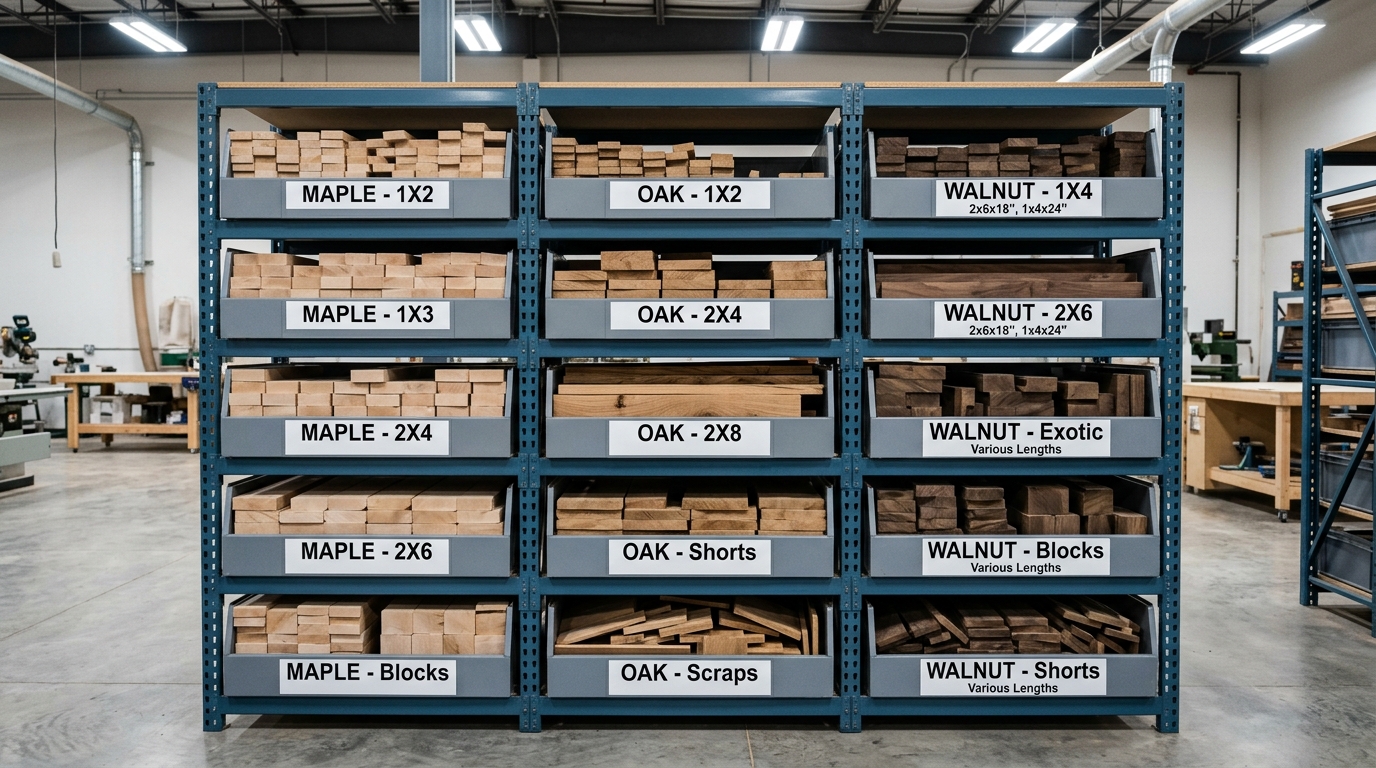
As material moves from inventory through the panel saw and into work-in-progress, Seradex records consumption in real time. Offcuts that meet minimum size thresholds are returned to a tracked offcut inventory - available for future nesting runs and properly costed.
Waste & Scrap Analytics by Material Type
See exactly where your material losses are occurring: by species, by panel grade, by work center, by job type. Seradex waste analytics give your operations team the data to prioritize yield improvement efforts on the material categories that matter most to your cost structure.
Integration with Production Scheduling
Nesting runs are coordinated with your production schedule - ensuring that optimized cut-lists are available at the panel saw work center before jobs are released, not scrambled together at the last minute.
Case Studies: Success in Action
Real Results from Door Manufacturers Like You
Case Study 1:
18% Less Material Waste
A commercial door manufacturer with high hardwood veneer consumption implemented Seradex nesting integration and offcut tracking. By batching cut-lists across concurrent jobs and eliminating untracked offcut losses, they reduced material waste by 18% - a saving that went directly to gross margin.
Case Study 2:
12% More Output Per Sheet
A residential door producer optimized their panel cutting by running Seradex-coordinated nesting across their full weekly job queue. Batching similar sizes and species increased usable output per sheet by 12% - allowing them to fill more orders from the same material purchases.
Case Study 3:
Fewer Emergency Orders, Lower Material Costs
A multi-facility millwork company used Seradex material consumption data to build accurate per-species purchase forecasts. Emergency spot purchases - always the most expensive - dropped substantially as procurement shifted from reactive to data-driven buying.
How Material Yield Connects to Your Seradex Modules
- Integrated Inventory Management - yield consumption posts directly to inventory; offcuts are returned to tracked stock
- Job Costing & Margin Tracking - actual material costs vs. BOM allowance post to each job for variance analysis
- Automated Production Scheduling - nesting runs are coordinated with the production schedule for cut-list readiness at the work center
- Configurable Product Quoting - historical yield data by species and construction type informs more accurate material quotes
- Quality & Compliance - material defects identified during nesting are flagged and removed from yield calculations
Frequently Asked Questions
Answers to common questions to help you better understand our solutions and processes.
Does Seradex have its own nesting engine?
Seradex integrates with dedicated nesting software via your production data - connecting job cut-lists and BOM requirements so nesting runs are optimized against your live queue, not isolated by job.
How are offcuts tracked after a cutting run?
Offcuts meeting a minimum recoverable size threshold are logged into a separate offcut inventory location in Seradex. They can be allocated to future jobs that fit within the offcut dimensions - reducing new material pulls.
How is BOM material allowance variance reported?
Each completed job shows actual material consumed vs. BOM-expected allowance, broken down by material type. Variance is reported at the job level and rolled up by door type, period, or work center.
Can we track material yield by species separately?
Yes. Seradex supports material classification by species, grade, panel size, and thickness. Yield analytics can be filtered and reported on any combination of these attributes.
How does this integrate with our current cutting workflow?
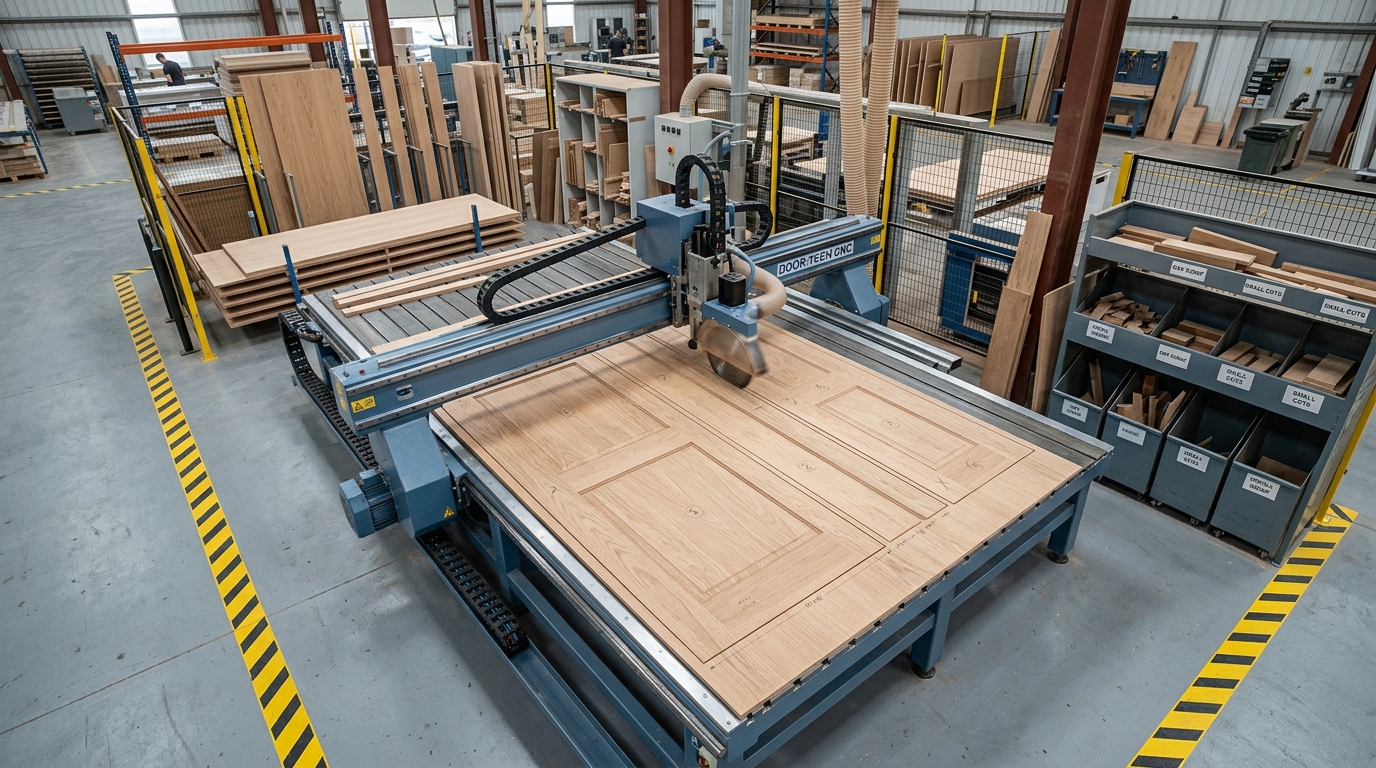
Seradex works with your existing panel saw and CNC router workflow - it provides the cut-list and nesting coordination layer on top of your current equipment, requiring no changes to your physical setup.
Expert Tips: Driving Consistent Yield Improvement
- Batch cut-lists across jobs by species. Single-job nesting is always less efficient than batching - the more jobs per nesting run, the higher your yield.
- Set a minimum offcut threshold - and stick to it. Define what's recoverable vs. scrap and enforce it consistently so your offcut inventory stays useful.
- Reconcile BOM allowances against actuals annually. BOMs built on engineering estimates rather than production actuals embed systematic waste into every job.
- Track yield variance by species, not just in aggregate. Exotic hardwoods and veneers typically have very different yield realities than MDF or LVL - manage them separately.
- Involve your nesting operator in BOM development. The person running your panel saw knows where yield is lost - their input makes your BOM allowances more accurate.
ARE YOU READY?
Turn Your Biggest Cost Into Your Biggest Competitive Advantage
Seradex Material Yield Optimization gives door and millwork manufacturers the data, tools, and integration to cut waste, reduce costs, and produce more from every panel - on every job, across every species.