
You Can't Protect What You Can't Measure - Know Your True Job Margin in Real Time
Estimating job costs in a spreadsheet and discovering the true margin weeks later - after the doors have shipped - is one of the most common and damaging profit leaks in door manufacturing. Seradex Job Costing & Margin Tracking captures every dollar of labor, material consumption, and overhead against each job as it happens - so you know your actual margin before the invoice goes out, not after.
ROI Snapshot - What Real-Time Costing Protects
Live job costing shifts the conversation from “we’ll know margin at month-end” to “we know margin while the job is still on the floor,” which tightens pricing feedback loops, surfaces overruns before doors ship, and makes low-margin work visible early enough to correct routing, pricing, or scope.
- Timing: variances show up during production, not only after invoicing.
- Pricing discipline: quotes benefit from historical actuals, not stale assumptions.
- Portfolio clarity: weak jobs and customers surface in dashboards instead of year-end surprises.
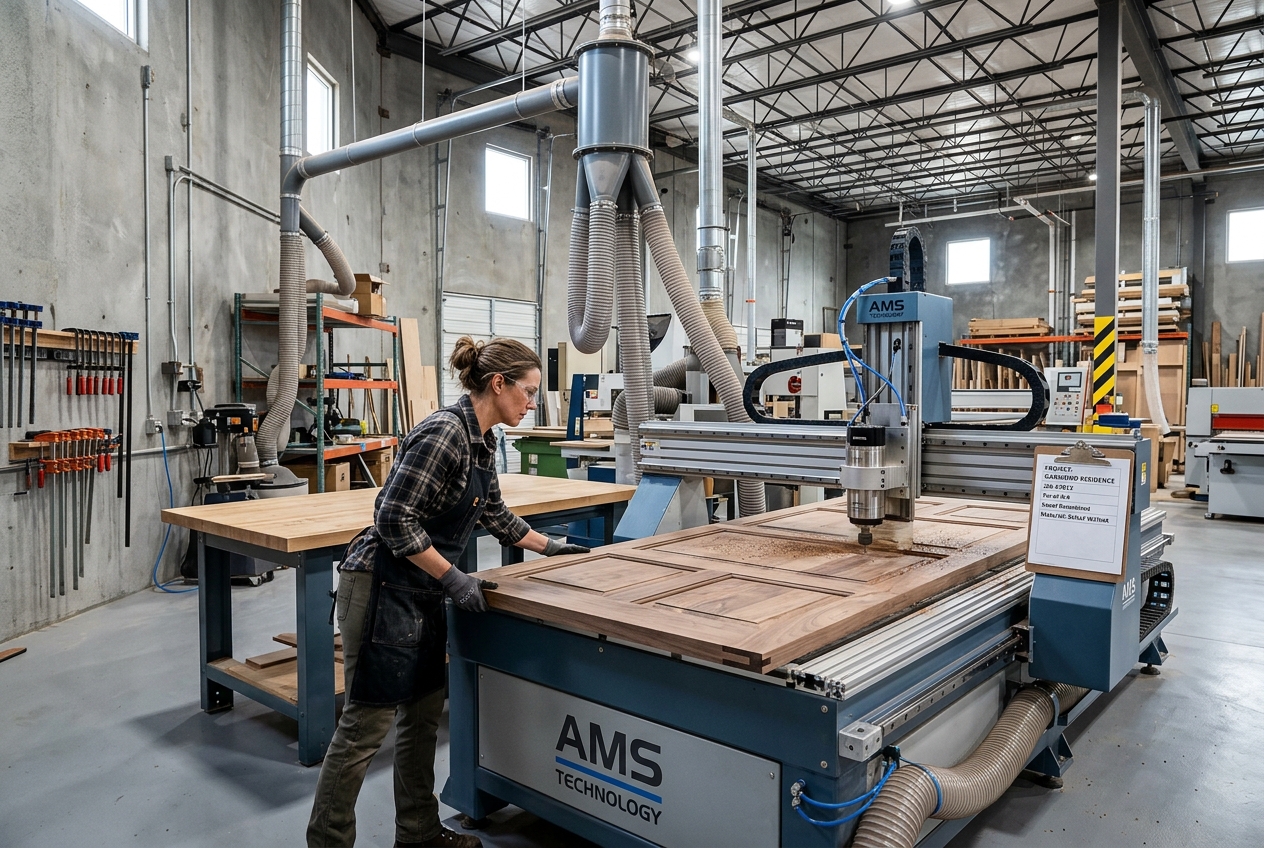
Key Features Built for Door & Millwork Cost Control
Real-Time Labor & Material Cost Capture
As your team clocks into work centers and material is pulled against cut-lists and BOMs, Seradex posts those costs to the job immediately. No end-of-week reconciliation. No estimated actuals. Real numbers, in real time.
Margin Analysis by Job, Product Line, or Customer
Compare estimated vs. actual margins at any level: individual job, door type, product family, or customer account. Identify which commercial contracts are performing and which residential configurations are systematically under-priced.
Variance Analysis - Quote vs. Actual
Every job carries its original quote costs forward. Seradex tracks the variance between what you priced and what you spent - by cost category: material, labor, subcontract, and overhead - flagging overruns before they're locked in.
Overhead Allocation by Work Center
Machine depreciation, facility costs, and indirect labor don't disappear - they need to land on jobs accurately. Seradex allocates overhead based on your defined rates per work center, ensuring your job costs reflect your full cost of production.
Historical Cost Benchmarking & Forecasting
Quote future jobs with confidence using Seradex's historical job cost library. See what similar configurations actually cost - by species, size class, and construction type - and build those actuals into your pricing model.
Customizable Dashboards & Margin Reports
Executive summaries, job-level detail, and trend reports - all configurable. Your operations team sees work-center-level variance. Your financial team sees margin by product line and period. Both views draw from the same live data.
Case Studies: Success in Action
Real Results from Door Manufacturers Like You
Case Study 1:
20% Reduction in Cost Overruns
A commercial door manufacturer was consistently discovering cost overruns after delivery. Deploying Seradex real-time job costing gave production managers visibility into accumulating costs during the run - reducing unexpected overruns by 20% and restoring profitability on previously breakeven commercial contracts.
Case Study 2:
12% Improvement in Overall Job Profitability
A residential door producer used margin tracking to identify their lowest-performing door configurations. By adjusting pricing rules for custom species and hardware combinations that were systematically under-priced, they improved overall job profitability by 12% within two quarters.
Case Study 3:
Better Forecasting, Better Buying
A multi-facility millwork operation analyzed two years of historical job cost data in Seradex. Using actual material consumption rates - by species and panel grade - they improved material purchase forecasting accuracy, reduced emergency procurement costs, and optimized labor allocation across facilities.
How Job Costing Connects to Your Seradex Modules
- Automated Production Scheduling - scheduled work center time feeds labor cost estimates; actual time posts automatically on completion
- Integrated Inventory Management - material pulled against a job posts cost in real time; yield variance is recorded against the job
- Configurable Product Quoting - historical job costs inform quote pricing, replacing guess-work with data
- Performance Analytics Dashboard - margin KPIs, cost variance trends, and job profitability metrics appear on executive dashboards
- Quality & Compliance - rework costs and scrap from quality holds are captured on the originating job, revealing true defect costs
Frequently Asked Questions
Answers to common questions to help you better understand our solutions and processes.
How does Seradex capture labor costs against jobs?
Workers clock into specific jobs and work center operations through the Seradex time-capture interface. Labor costs post to the job automatically based on hours worked and configured work center rates.
Can we see margin by customer or dealer account?
Yes. Seradex supports margin analysis by customer, dealer, product line, and job type - allowing you to identify your most and least profitable relationships.
How does material cost post to jobs?
Material is allocated against jobs from inventory at the point of pick or issue. Actual cost (using your configured costing method - standard, FIFO, or average) posts to the job record in real time.
Can we compare estimated vs. actual costs at the line-item level?
Yes. Variance reporting in Seradex shows estimated vs. actual costs by material, labor, and overhead - at the job level and rolled up by product type or period.
How does overhead get allocated?
Overhead is allocated based on rates you define per work center - machine hours, labor hours, or a blended rate. These allocate automatically as jobs flow through the work center sequence.
Expert Tips: Building a High-Accuracy Job Costing System
- Start with clean work center rates. Inaccurate machine and labor rates produce inaccurate job costs - invest time in setting them correctly at implementation.
- Capture labor in real time, not end-of-day. Every hour of lag in time recording creates variance between actuals and reported costs.
- Track material yield variance per job. The gap between BOM-expected and actually consumed material is your most actionable cost improvement signal.
- Review quote-to-actual variance weekly. Systematic variances in specific door types or operations indicate a pricing or process problem that needs correction.
- Use historical costs to re-price annually. Product pricing built on real job cost history outperforms quote sheets built on outdated assumptions.
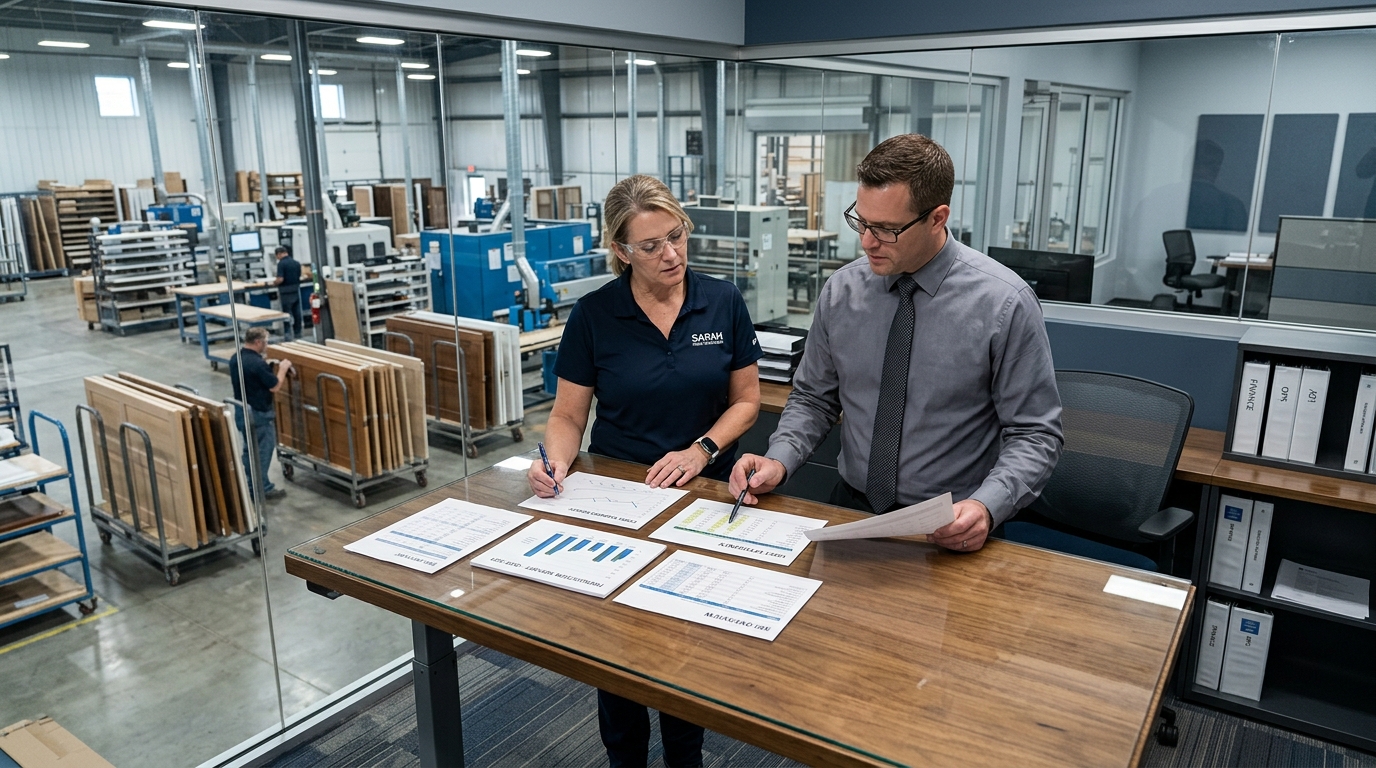
ARE YOU READY?
Protect Your Margins. Price with Confidence. Grow Profitably.
Seradex Job Costing & Margin Tracking gives your door manufacturing operation the financial visibility to price right, produce efficiently, and grow profitably - on every residential order and every commercial contract.